


Forest Railway
Forest Railway
Forest Railway
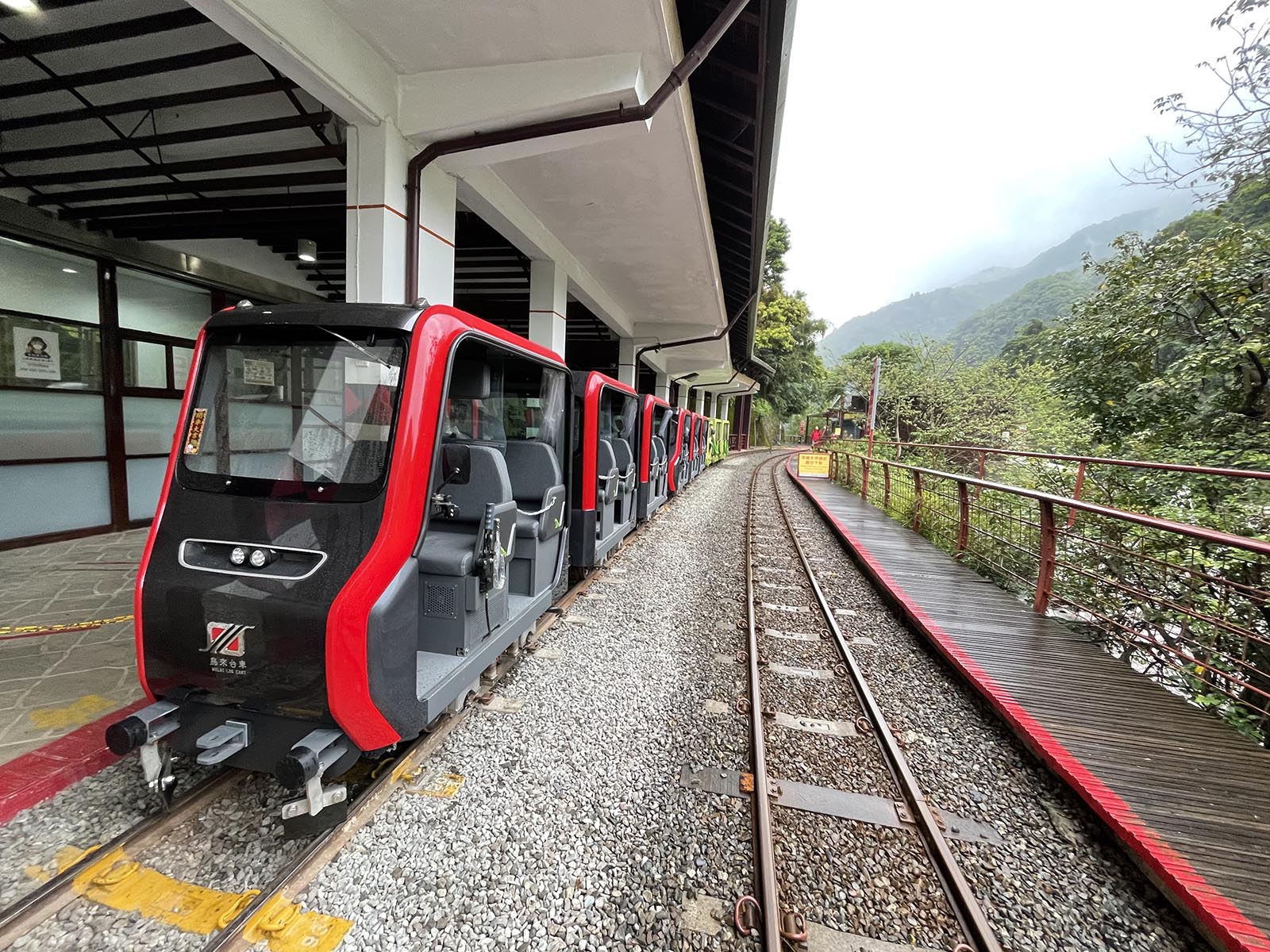
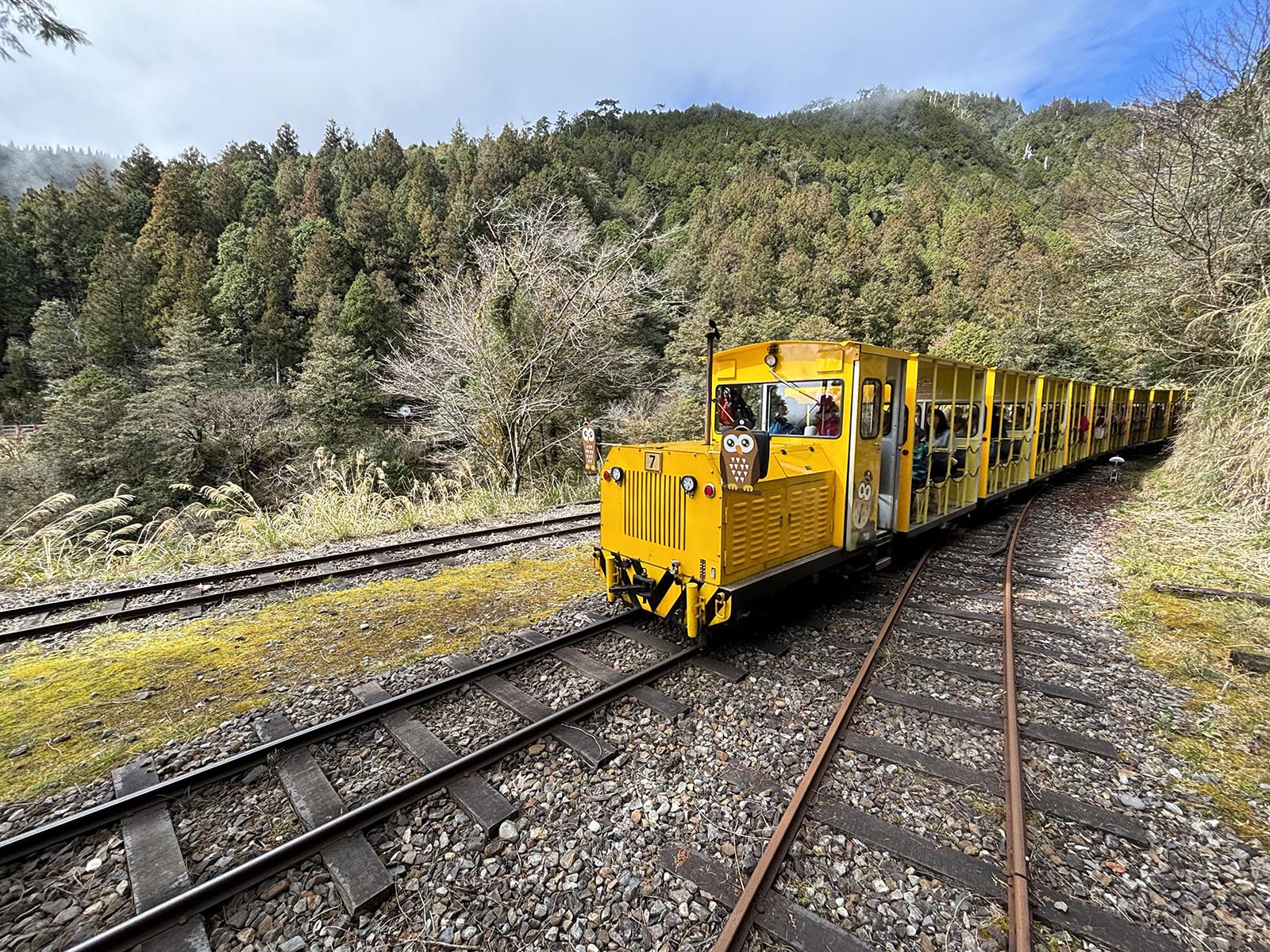
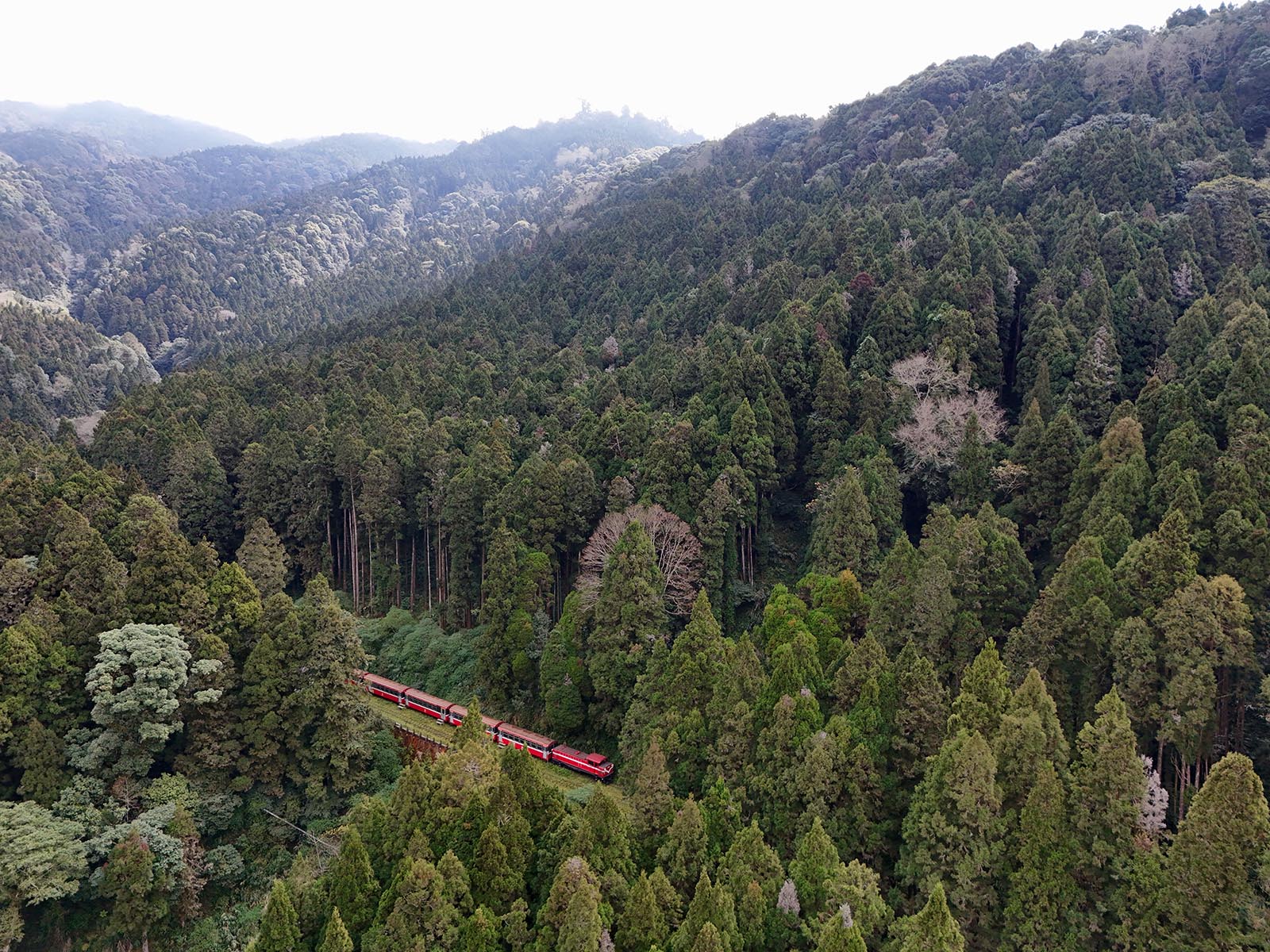
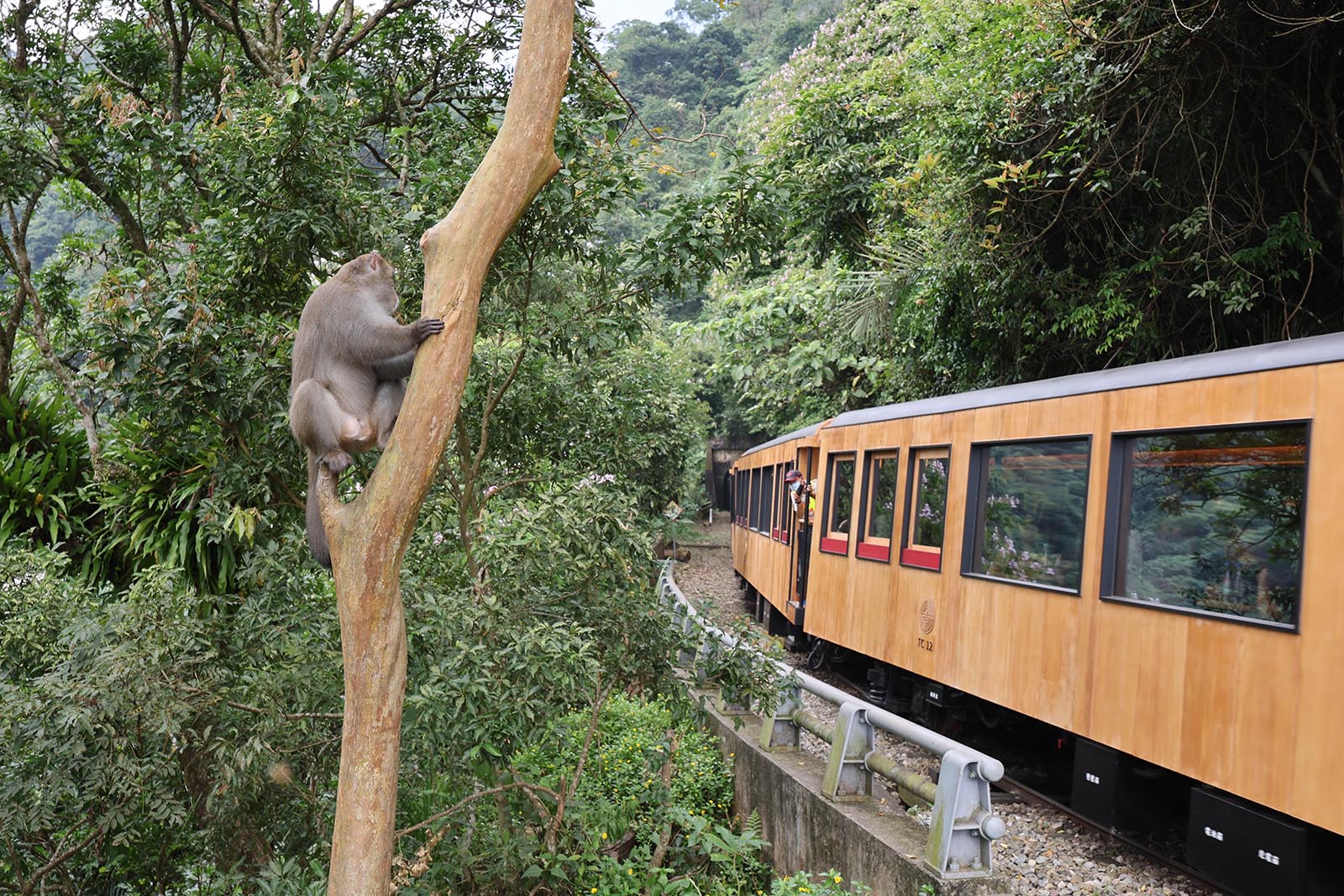
Emerging in the early 20th century to meet the demands of timber harvesting, Taiwan’s forest railway systems were built across major forestry zones. Far more than simple transport routes, these tracks formed an integrated transport network combining cableways, rail carts, yarding systems, and sawmills that supported timber production and related industries.
From Alishan and Taipingshan to Basianshan, these railways developed in diverse forms shaped by different geographical conditions and engineering techniques. In doing so, they shaped mountain settlements, working life, and the development of local communities. As forestry policies shifted and timber harvesting ceased, the railways gradually moved away from their original industrial role. Today, some have been transformed into tourist railways, while others remain preserved as historic traces within the forest—continuing to bear witness to Taiwan’s changing use of mountain forests and the relationship between people and the land.
About


History of Forest Railways
Establishment & Evolution of the Forestry System in Taiwan
Japanese Colonial Period (1895–1945)
Under Japanese colonial rule, Taiwan was incorporated into Japan’s political and economic system, and forests became an important economic resource. Forest management and forest resource utilization became key priorities during this period. To establish a modern forestry system, the Office of the Governor-General of Taiwan restructured forestry agencies, conducted forest and land surveys, gradually established a modern forestry administration, and formulated forest plans. Forest railways served as important infrastructure supporting forest resource development during this era.
Post-WWII Period (1945–)
After 1945, Taiwan’s forestry system entered a new phase of governance as the Republic of China government took over forestry sites and sawmill facilities from the Japanese colonial period and reorganized forestry administration, allowing timber harvesting and supply systems to continue and expand. In 1956, the government introduced the policy of "Maximize Harvesting, Reforestation, and Treasury Revenue," pushing annual logging volume to its historical peak in 1972 and accelerating forest loss. Subsequently, the Executive Yuan adjusted its forestry policy and no longer regarded forest exploitation as a source of government revenue. The Forestry and Nature Conservation Agency authorized its final directly managed logging operations in 1987, followed by a complete ban on natural forest logging in 1991. As forest management shifted toward conservation and multiple-use management, forest railways gradually moved from production and transport toward decommissioning, preservation, or new uses.
Forest Railway Transport Process
History of Forest Railways
Felling
The cutting down of approved trees within designated logging areas.
Bucking (Cross-cutting)
Cutting felled trunks into lengths of 2 to 7 meters according to knot placement, curvature, decay, and market specifications.
Yarding
Gathering felled and bucked logs along transport routes using mechanical power or manual labor to facilitate loading. Lintianshan once operated 6 steam yarders, each with an operating depth of 1,500 to 2,000 meters.
Hauling
Transporting yarded timber out to log yards via railways, trucks, gravity cableways, incline railway, and manual push-carts.
Impact & Significance
Why Do Forest Railways Matter?
The construction of forest railways established reliable transportation routes into mountain areas, enabling long-term personnel movement, supply logistics, and operational management. This changed the previously limited accessibility of mountain areas and laid the foundation for modern mountain transportation.
This changed the previously limited accessibility of mountain areas and laid the foundation for modern mountain transportation. The transportation, administrative, and management systems associated with forest railways also contributed to the emergence of forestry settlements, transforming mountain work sites into social spaces that combined production and everyday life. For instance, the area around Fenqihu Station, an intermediate station on the Alishan Forest Railway main line, developed into a settlement closely connected with the railway. The railway also created new employment opportunities and influenced the existing local economy.
As logging ended and forestry policies shifted, forest railways gradually ceased to perform their original transportation functions. Preserved today as historic remains, these routes and facilities form important cultural landscapes for understanding forestry history, engineering practices, and the relationship between people and the mountain environment.
Forest Railways Across Various Regions
Forest Railway Map
Please select the types of locations you would like to display:


There is no spot available.
You can check the line or service that you are interested.


